
Table of Contents
 Trusted Content

Intersection accidents are some of the most common and complicated types of car crashes on the road. They can happen in an instant and often result in serious injuries or significant property damage. You need to understand who is at fault in an intersection accident, not only for your insurance claim but also for taking potential legal action.
At The Dixon Firm, we help accident victims with their car accident cases by protecting their rights and ensuring all the correct documents are filed and on time.
Why Intersection Accidents Happen in Georgia
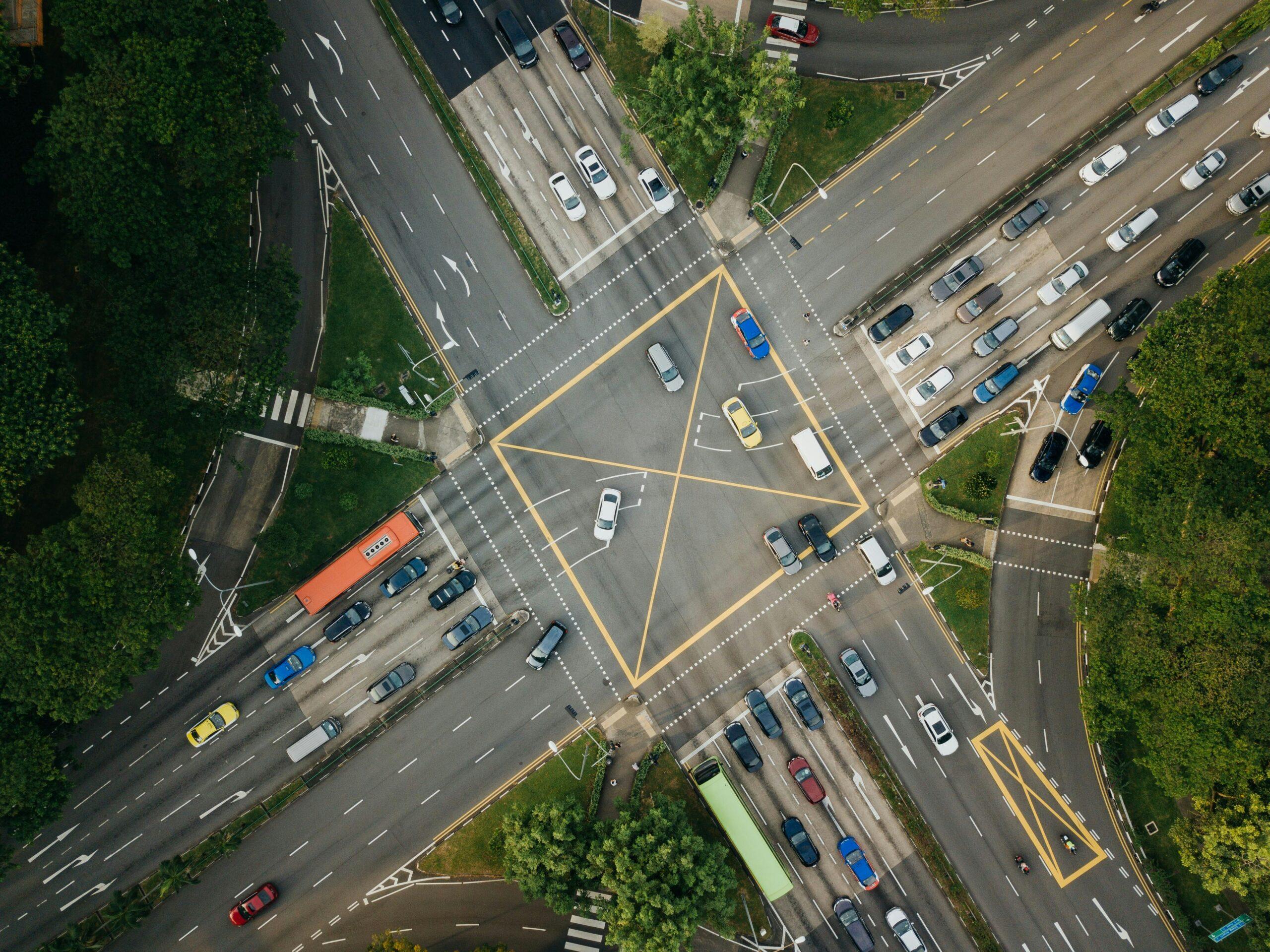
Intersections are hotspots for collisions because they bring together multiple vehicles moving in different directions, and often at high speeds. Several factors contribute to these accidents. Drivers who run red lights or stop signs are a frequent cause of intersection collisions, as are those who fail to yield the right of way, especially when making left turns or merging onto busy streets.
Distracted driving, such as texting, adjusting the radio, or other inattentive behaviors, can prevent a driver from noticing traffic signals or other vehicles. Speeding also increases the risk, as excessive speed reduces reaction time and makes collisions more severe. Additionally, poor weather conditions like rain, fog, or snow can make intersections even more dangerous by limiting visibility and reducing road traction.
Types of Intersection Accidents
Intersection crashes can take many forms. Common types include:
- T-bone (side-impact) collisions: Usually occur when one vehicle runs a red light or fails to yield at a stop sign.
- Rear-end collisions: Often happen when one car stops suddenly at an intersection, and the following driver cannot react in time.
- Head-on collisions: Less common but usually more severe, often caused by a driver making an illegal turn or crossing into oncoming traffic.
- Multi-vehicle pileups: These occur when several cars are involved, often triggered by a chain reaction of collisions.
Determining Fault in an Intersection Accident
Determining liability in a car accident in an intersection can be complex, as multiple factors can come into play. In general, fault is assigned to the driver who violated traffic laws or failed to exercise reasonable care. Traffic signals and signs also play a critical role, as drivers who run a red light or ignore a stop sign are usually considered at fault.
Right-of-way rules are also important, with drivers turning left typically required to yield to oncoming traffic, while those traveling straight usually have priority. Eyewitness testimony can shed light on how the accident unfolded, and police reports provide an official account, documenting the scene and noting any traffic violations. Physical evidence, such as vehicle damage, skid marks, and surveillance footage, can further clarify the mechanics of the crash.
In many situations, more than one driver may share responsibility, which is known as comparative negligence and can influence the amount of compensation an injured party is entitled to receive. Many people assume that the driver who rear-ends another vehicle at an intersection is always at fault, but this is not necessarily true. Similarly, the belief that insurance will always cover all damages can be misleading, especially if fault is contested.
What to Do After an Intersection Accident
If you find yourself involved in an intersection crash, taking the right steps immediately can make a significant difference in protecting your rights and supporting your claim. First, prioritize safety by moving to a secure area if possible and checking for any injuries. Next, call 911 so that police and emergency services can respond, document the accident, and provide any necessary medical assistance.
It’s also important to gather information from everyone involved, including contact details, insurance information, and vehicle specifics, while collecting statements from any witnesses. Documenting the scene with photos of the vehicles, road conditions, traffic signals, and visible injuries can provide invaluable evidence. Even if injuries seem minor, seek medical attention promptly to prevent complications.
Finally, contact an experienced Georgia car accident lawyer. A lawyer can help determine fault, negotiate with insurance companies, and pursue the compensation you deserve.
How an Attorney Can Help with an Intersection Accident Case
A skilled attorney can make sure fault is properly established in an accident case by collecting evidence, reviewing police reports, and consulting experts when necessary. Insurance claims are most often resolved more fairly when the carrier works with a lawyer, rather than an unrepresented party, as the lawyer knows how to negotiate for the maximum compensation possible for their client.
How to Prevent an Intersection Accident
While not all collisions can be avoided, drivers can take steps to reduce risk:
- Obey all traffic signals and stop signs.
- Always yield the right of way when required.
- Avoid distractions while driving, such as texting or eating.
- Slow down in poor weather conditions or heavy traffic.
- Stay alert at intersections, even if you have the right of way.
Contact a Car Accident Attorney for Help if You’ve Been in an Intersection Accident
Intersection accidents are a leading cause of traffic collisions, and understanding who is at fault is essential for recovering damages and protecting your legal rights. Whether caused by traffic violations, distracted driving, or misjudged maneuvers, these crashes can have serious consequences.
If you’ve been injured in a car accident in an intersection, The Dixon Firm is here to help. With experienced attorneys by your side, you can pursue the compensation you deserve and focus on your recovery. Contact us today to get started.