
Table of Contents

- Landlords have a legal duty to maintain safe properties and protect tenants and visitors from preventable hazards.
- Dangerous conditions like broken stairs, poor lighting, or faulty wiring can lead to landlord liability when they cause injury.
- Victims of unsafe rental properties may recover damages for medical bills, lost wages, pain, and suffering.
Understanding a Landlord’s Legal Duty
When you rent an apartment, condo, or house, you place trust in your landlord to keep the property safe. That doesn’t mean the building must be perfect, but it does mean that landlords are legally obligated to take reasonable steps to prevent foreseeable harm. This responsibility, known as a “duty of care,” ensures that tenants and lawful visitors aren’t exposed to dangerous conditions.
The duty extends to the areas tenants use daily, like stairways, hallways, elevators, and parking lots, as well as the structural and mechanical systems that make a property livable. If a landlord neglects these responsibilities, they can be held legally accountable for any injuries that occur as a result.
What Counts as a Dangerous Condition?
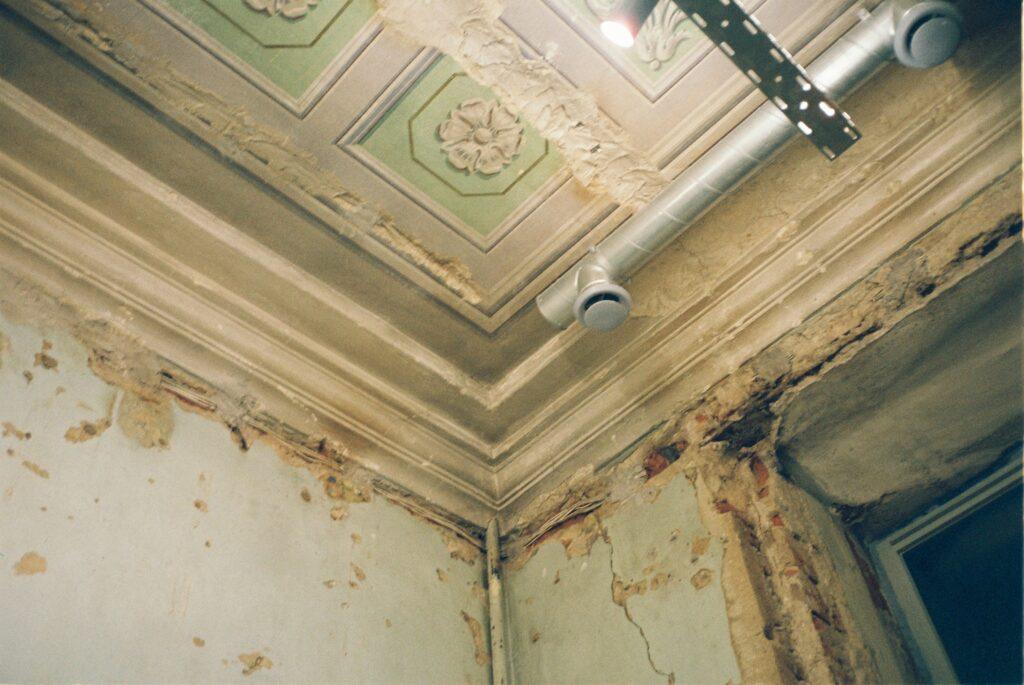
A “dangerous condition” is any hazard on the property that poses a risk of injury. Common examples include broken or missing handrails, uneven flooring, leaking ceilings that cause slippery surfaces, faulty wiring that increases fire risk, and poor lighting that creates opportunities for falls or criminal attacks.
Outdoor hazards also qualify. Icy walkways, cracked sidewalks, potholes in pavement, and unsecured swimming pools can all endanger tenants and guests. When these issues are left unaddressed, the landlord may be considered negligent.
The Landlord’s Responsibility to Address Hazards
Landlords aren’t automatically liable for every injury that happens on their property. The key issue is whether they knew, or reasonably should have known, about the dangerous condition and failed to fix it within a reasonable time.
For example, if a tenant reports a broken stair that goes unrepaired for weeks, the landlord could be liable if someone later falls and is injured. On the other hand, if a tenant spills water in a hallway and someone slips before the landlord can know, liability may be harder to establish.
Common Examples of Landlord Negligence
Tenants and visitors are often injured in ways that could have been prevented with proper maintenance and attention. Some of the most common forms of landlord negligence include:
- Broken or poorly maintained stairs and railings that lead to falls. This can include stairs that have become so worn that they are slick, broken, or uneven.
- Inadequate security measures, such as broken locks or insufficient lighting, which make crime more likely.
- Electrical and fire hazards, including outdated wiring, missing smoke detectors, or blocked fire exits.
- Water damage and mold from untreated leaks, which can create health risks and slippery conditions.
- Neglected exterior areas, like icy sidewalks, pothole-ridden parking lots, or unsecured swimming pools.
These conditions not only violate safety expectations but also increase the risk of serious injury or even death.
When Can a Tenant Sue a Landlord?
A tenant or visitor can pursue a legal claim against a landlord if the dangerous condition meets certain criteria. The injured person must show that:
- The landlord owed them a duty of care. A duty of care means that the landlord had a duty to keep the property in a safe condition for authorized guests.
- The landlord knew or should have known about the hazard. This means that the hazard existed long enough for the landlord to have known about it through routine safety checks, and/or that the landlord was notified about the hazard.
- The landlord failed to take reasonable steps to fix the issue. If the landlord didn’t fix the known issue, they breached their duty of care.
- The dangerous condition directly caused the injury. Due to the breach of duty of care, a resident or authorized visitor suffered harm in the form of an injury.
- The victim suffered damages, such as medical costs or lost wages. Finally, for a valid claim, the victim must show that the harm they sustained as a result of the landlord’s breach of duty of care resulted in damages, such as medical bills or lost wages.
Potential Damages in a Claim
Injuries caused by unsafe rental properties can be severe, ranging from broken bones to long-term disability. Victims may recover compensation for the medical expenses associated with treatment and rehabilitation. They may also pursue damages for lost wages if the injury kept them from working, as well as compensation for pain, suffering, and diminished quality of life.
In some cases, if the landlord’s conduct was especially reckless, such as ignoring repeated complaints about a life-threatening hazard, punitive damages may be available to further hold them accountable.
Challenges in Landlord Liability Cases
Proving a landlord’s negligence isn’t always simple. Landlords often argue that they didn’t know about the hazard, or that the tenant’s own actions caused the injury. Some may claim the dangerous condition was “open and obvious,” meaning the tenant should have avoided it.
These defenses can complicate the case, but with careful documentation, witness statements, and legal expertise, tenants can often overcome them.
Why Legal Help Makes a Difference
Facing a negligent landlord can feel intimidating, especially if you still live on their property. An experienced personal injury attorney can provide crucial support by investigating the circumstances, gathering evidence, and negotiating with the landlord’s insurance company. Legal guidance ensures that the landlord’s duty is taken seriously and that the victim receives fair compensation for their losses.
At The Dixon Firm, we understand how disruptive and frightening it can be to suffer an injury in your own home. We approach each case with both compassion for what you’re going through and determination to hold negligent property owners accountable.
Talk to The Dixon Firm Today About Your Case
Landlords play an essential role in maintaining safe living environments. When they fail to fix dangerous conditions, tenants and visitors can suffer life-changing injuries. The law provides a pathway for victims to pursue justice, but proving negligence requires clear evidence and skilled legal representation.
If you or someone you love has been injured because of unsafe conditions on a rental property, you may have a valid claim. Contact The Dixon Firm today and learn how we can help you hold negligent landlords accountable and secure the resources you need to recover.